

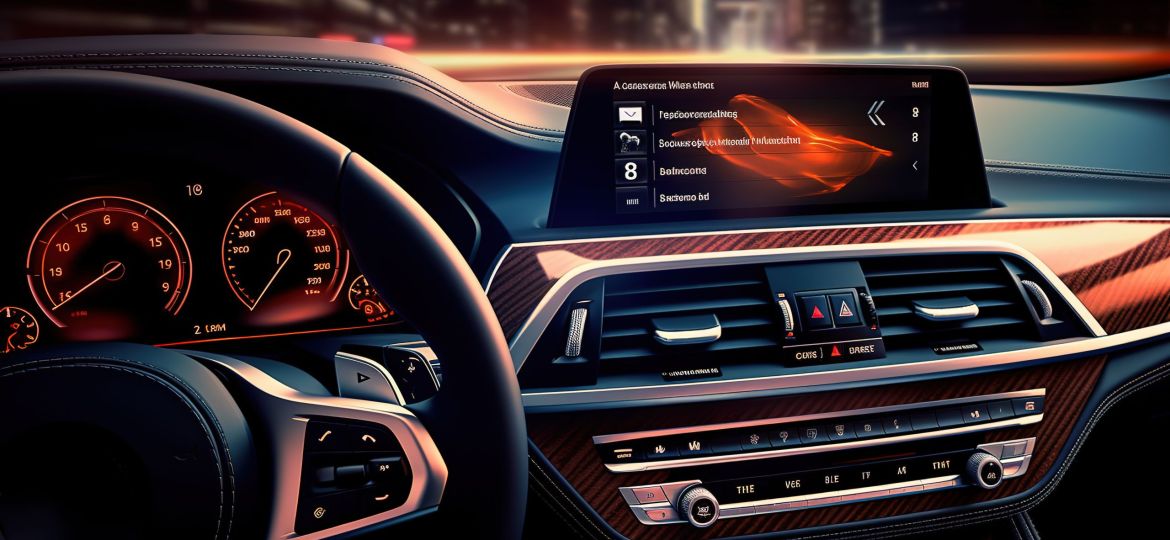
In 2015, BMW made waves by attempting to offer subscriptions for heated seats. The move sparked an outcry as automakers began to explore the financial potential of locking features already installed in vehicles behind paywalls. While many car manufacturers were experimenting with subscription-based features, German brands, especially BMW, led the charge — and inevitably, faced the most backlash.
After the public backlash, the industry pulled back. However, the desire to monetize in-car features remained. Fast forward to today, and BMW is back at it, offering monthly subscriptions for adaptive headlights — a feature you’d expect from a luxury brand as standard.
BMW’s latest push into subscription services began in January when news leaked about its plan to charge $1,200 annually for extra power in some of its electric models. The backlash was swift, and consumers were quick to point out that Mercedes-Benz had been offering similar options for a while. Regardless, BMW isn’t backing down — and it’s sneakily rolling out more subscription services via over-the-air updates. Adaptive headlights are now on offer as a subscription. To be clear, BMW (like many automakers) has long allowed customers to purchase upgrades through connectivity features.
What’s different now is that BMW is trying to charge you for features like heated seats and adaptive headlights that are already part of the car. These are not aftermarket upgrades or customization options, they’re standard features, and now BMW wants you to pay monthly to unlock them — effectively asking you to pay again for things you already own.
BMW’s MyBMW app and ConnectedStore have grown rapidly and are helping to normalize the subscription model, trying to make it seem like a reasonable option to unlock additional functionality. The idea here is simple: offer a fully equipped car, then charge customers to unlock features that used to be standard, essentially converting what was once included in the price into an ongoing service.
While some may view this as a clever move by BMW to cut production costs by offering a more streamlined manufacturing process, the underlying issue is that they’re also locking you out of features that should come with the vehicle. This approach has become more common across industries, as connectivity features allow manufacturers to leverage consumer data and provide additional paid services after the sale.
AutoEvolution covered this trend, framing it as a public relations issue, and while that’s partly true, it’s also something much larger: a move toward a future where car owners no longer have full control over the features they purchase.
BMW isn’t the only company trying this out. Other manufacturers are also offering paid subscriptions for vehicle features. But what’s different here is the way BMW is billing for adaptive headlights — a safety feature that, in theory, should come standard. Instead of offering it as part of the purchase price, the automaker is making it another service to pay for, adding more frustration for consumers.
Louis Rossmann, a right-to-repair advocate, voiced his concern about the subscription model, noting that while BMW still gives customers the option to buy features outright, the long-term goal could be to phase out this option, making subscriptions the only available route.
At present, we only know that the adaptive headlight subscription service is available in Europe, but it could spread globally, raising questions about whether essential features should ever be locked behind paywalls — especially when they’ve been standard for so long.
Ultimately, what BMW and other luxury brands are testing is whether consumers will tolerate paying recurring fees for features that have traditionally been included in the purchase price. While this model could potentially provide automakers with a new revenue stream, it risks alienating customers who expect certain features as part of their purchase.
Luckily for consumers, automakers haven’t made significant headway in implementing these subscription services yet. According to Kelley Blue Book, while the auto industry sees subscriptions as a potentially profitable avenue, it’s facing serious challenges in normalizing them. Consumers are already overwhelmed with subscription-based services from other industries and are generally resistant to paying recurring fees for features that should be standard.
In the end, as BMW and others explore these subscription models, they’ll need to strike a balance between profitability and customer satisfaction. How the subscription model evolves remains to be seen, but for now, it seems many consumers are keeping a close eye on how far automakers push before they hit a breaking point.