

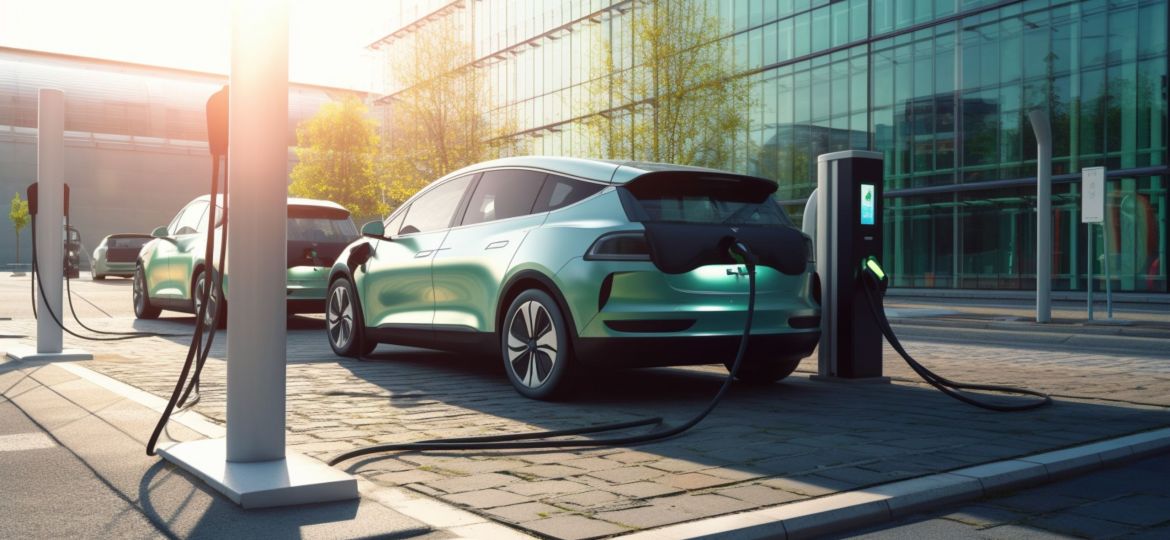
The rise of electric vehicles (EVs) is not just reshaping how we drive; it’s transforming how we fuel our cars. A recent report reveals that by the end of this decade, EV charging stations are set to outnumber traditional gas stations. This marks a major milestone in the shift from gasoline-powered engines to electric powertrains, signaling a significant change in infrastructure and energy consumption patterns.
THE EXPANSION OF EV INFRASTRUCTURE
Several factors are driving the rapid expansion of EV charging stations. As more drivers make the switch to electric vehicles, the demand for convenient and reliable charging options is skyrocketing. Governments around the world are stepping up, offering incentives and subsidies to support the growth of EV infrastructure as part of global efforts to combat climate change and reduce carbon emissions.
In the U.S., federal and state initiatives are funding the installation of charging stations across the country. Meanwhile, Europe is following suit, pouring funds into EV infrastructure under the European Green Deal. China, already the world’s largest EV market, continues to expand its charging network at a record pace.
THE ROLE OF PRIVATE SECTORS AND INNOVATIVE TECHNOLOGY
Private companies are playing a pivotal role in this shift. Automakers, tech giants, and energy companies are investing heavily in EV infrastructure. Tesla’s Supercharger network is a prime example of how a single company can lead the way in building a robust charging ecosystem. Major car manufacturers like Ford and GM are also forging partnerships and investing in extensive charging networks to support their growing fleet of electric vehicles.
Technological innovations are accelerating this growth. Advances in fast-charging technology are significantly reducing the time it takes to charge an EV, making long road trips more feasible. Smart charging solutions, which optimize charging schedules and integrate with renewable energy sources, are also becoming more common.
THE BENEFITS OF A WIDESPREAD CHARGING NETWORK
The surge in EV charging stations will offer several key advantages. For one, greater access to charging infrastructure will alleviate one of the most common concerns for potential EV owners—range anxiety. With more stations available, drivers will feel more confident taking longer trips without the fear of running out of power.
The environmental benefits are equally important. As the number of EVs on the road continues to rise, emissions from traditional gasoline and diesel cars will decrease, leading to cleaner air and a significant reduction in greenhouse gases. Moreover, as more renewable energy sources are incorporated into the charging network, these environmental benefits will be amplified.
CHALLENGES TO CONSIDER
Despite the promising outlook, there are still hurdles to overcome. Installing charging stations requires a massive investment of both time and money, and coordination between government bodies, private companies, and utility providers is essential. Ensuring the reliability and ongoing maintenance of these stations will also be critical in maintaining user satisfaction.
Moreover, the power grid will need to adapt to handle the increased demand from EV charging. This could involve upgrading infrastructure and implementing smart grid technologies to efficiently manage energy distribution.
THE FUTURE OF TRANSPORTATION
The anticipated milestone of EV charging stations outnumbering gas stations by 2030 is a testament to the rapid transformation of the automotive industry. It reflects a growing commitment to sustainability and innovation, paving the way for a cleaner, greener future. As infrastructure continues to evolve, it will be fascinating to see how these changes shape the future of transportation and energy consumption.
For car enthusiasts, industry professionals, and consumers alike, the growth of EV charging networks represents a monumental shift in how we interact with our vehicles and the environment. Stay tuned to Car Culture & News for the latest updates on this exciting transition.