

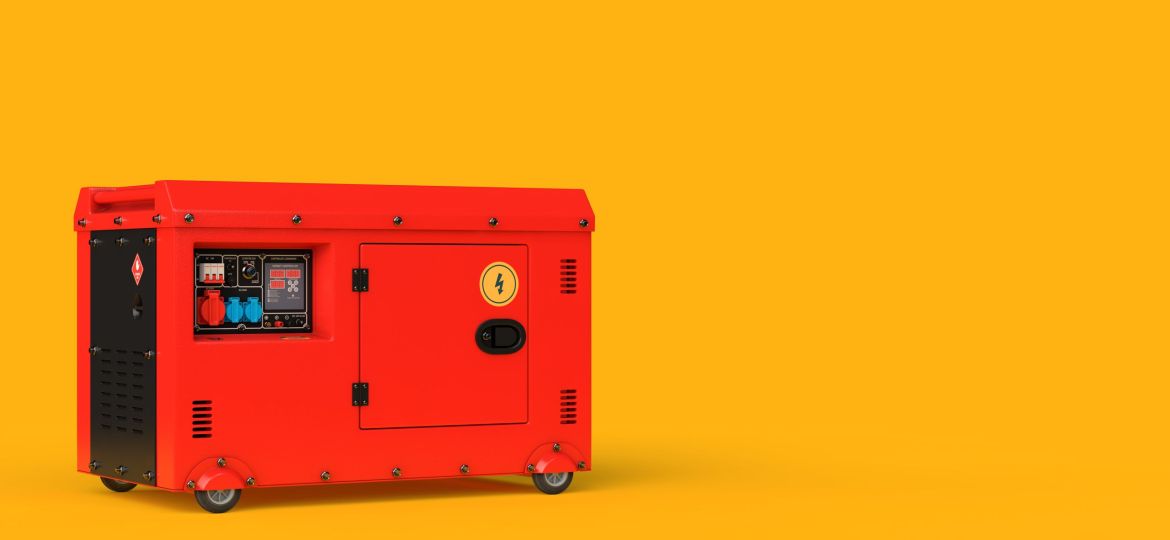
Stuff We Use: Gasoline-Powered Generators
As we continue to refine the content based on feedback from our loyal B&B community, we’re taking a fresh approach with these product posts. This time, we’re focusing on the tools and gadgets we’ve actually spent our hard-earned money on. After all, if we’re giving you the real story on cars, it only makes sense to be upfront about the car accessories and tools we swear by too.
In this edition of Stuff We Use, we’re diving into a product that’s a bit pricier than the shop rags and ratchet sets we’ve covered before. A gasoline-powered generator might seem like a hefty investment, but there have been countless times when it’s made life a whole lot easier—and, frankly, saved our behinds.
No one likes to think about the nightmare scenario of a long power outage, especially when the weather is wild (which, as we know, is when most outages tend to happen). But let’s face it—whether you’re living in a bustling city or out in the sticks, everyone needs power. From keeping the fridge running to safeguarding food from spoilage, or for rural folks like myself (raising a hand here), powering a well pump for water is essential. That’s where a generator becomes absolutely vital.
Generators also prove handy for remote work. I’m not talking about a miserable Zoom call—I’m talking about welding in a faraway location or powering up a compressor in a less-than-perfect garage setup. Working in a place that’s either not wired for electricity or poorly wired is a challenge on its own. Being able to roll in a portable power supply can turn what could be a miserable slog into a much more manageable task.
While we’re on the topic, imagine Behind the Wrench as a reality show where dealership mechanics spill the beans on shady warranty claims. Just a thought for later…
Back to the generator—these things come in all sizes, shapes, and power outputs. One crucial note (and I’ll add a disclaimer here on behalf of my lawyers) is that any generator powered by an internal combustion engine should always be run in a well-ventilated area. You definitely don’t want to use these things in an enclosed space—set them up outside the door of your workspace, or in an open area with a nice breeze to clear out those exhaust fumes.
Our generator of choice happens to be a Honda model, an inverter that pushes a peak output of 2,200 watts. This has more than enough juice for our needs—perfect for garage tools, keeping the fridge and freezer running when the grid goes down (yet again), or just about anything else that demands a portable power solution. The best part? It runs quietly, clocking in at under 60 decibels even at full capacity. And if you’re using around a quarter of its total output, it hums along at a barely audible sub-50 decibels—a sound level akin to a quiet room with the A/C on. Weighing in at just over 50 pounds, it’s easy to load into the back of a truck for offsite use. If you care about specs, it’s powered by a 121cc, four-stroke OHC engine with a manual pull-start that works as smoothly as butter. With a 0.75-gallon tank, it runs for about 4 hours on full power, and even longer if you’re being more conservative. Yes, it’s pricey, but its quiet operation and flawless user experience are totally worth the cost. Highly recommended.
Now, we’ve also got a much larger—and considerably louder—DeVilbiss generator in the garage. This older beast pumps out 6,500 peak watts, and it’s been a real lifesaver in emergencies, like the time our power went out for nearly two weeks after a storm. It’s the classic generator setup: an 11-hp engine powering a bulky metal frame with wheels for mobility. It’s noisy and chews through its 7-gallon fuel tank in about 8 hours, but it’s tough as nails and incredibly reliable.
Choosing the Right Generator
Selecting the right generator for your needs doesn’t have to be rocket science, but it’s essential to get it right. Here’s what to consider:
Power Requirements: Calculate the total wattage you need for all the devices you plan to run simultaneously. Factor in a margin for any sudden spikes in power usage. For example, a fridge/freezer may only need around 1,000 watts to run, but it will need double that to start the compressor. Keep these things in mind, and you’ll be good to go.
Portability: Think about the weight and portability of the generator. If you’re using it in multiple locations, something like the Honda 2200i, which is lightweight and easy to move, might be perfect.
Noise Level: If you’re in a quiet environment or residential area, you’ll want a generator that won’t drive everyone mad with noise. Inverter generators, like the Honda 2200i, are a good choice for these scenarios.
Fuel Efficiency: Consider how long the generator can run on a single tank of gas. You don’t want to be refilling it every few hours. The Honda runs for about 4 hours on full load, and longer with lighter use.
Durability and Reliability: Choose a generator from a trusted brand known for reliability. You don’t want it to fail you during an emergency.
Final Thoughts
As promised, this series will continue to focus on the gear we actually use and have purchased with our own money. The goal is to give you honest, no-nonsense reviews to help you make informed decisions about the tools and accessories you buy. We hope you found this review helpful.
Stay tuned for more insights and reviews in our Stuff We Use series. Whether you’re a seasoned gearhead or just starting to build your toolkit, we’ve got you covered with tips and recommendations to help you navigate the world of car accessories and tools with confidence.